Why We Moved Idlecorp Off WordPress and Onto Saleor

Why WooCommerce ran out of road
WooCommerce isn't really an e-commerce platform. It's a blog engine with a commerce plugin added on top, and everything built after that inherits the same shape. Product data lives in WordPress's post tables, the same tables meant for blog entries. There's no native GraphQL API. Anything beyond a basic REST call means fighting the API's rigid structure, or adding another plugin to work around it. Every new feature becomes another plugin. Plugins interact with each other in ways nobody tested, because nobody could have.
That's the wall Idlecorp hit. They wanted AI-powered product recommendations that actually reflect what one specific customer is browsing. A checkout that doesn't feel like five plugins stapled together. Inventory management that stays in sync without a cron job someone has to babysit by hand. WooCommerce can technically be forced into all of that. Getting there just means stacking plugin on plugin until the stack itself becomes the real maintenance burden. Every WordPress core update turns into a compatibility gamble. Every new personalization feature means auditing what's already fighting over the same database tables.
Is your store outgrowing WooCommerce?
Ask ChatGPT for a straight answer on whether the plugin-stacking is a real ceiling, or just needs cleanup.
“|”
Why Saleor
We moved the whole platform to Saleor, a headless commerce platform built API-first from the ground up. It's GraphQL native, and the storefront is fully decoupled from the commerce backend. That's the real point. The recommendation engine, the checkout flow, and the inventory system each become their own well-defined piece, talking to Saleor's API. No more three plugins reading and writing the same WordPress tables and hoping for the best.
This isn't a "WooCommerce is bad, Saleor is good" take. For a small store with no custom logic, WooCommerce is still a fine choice, and switching would be wasted effort. The problem shows up once a storefront needs to behave differently for different customers, and needs to do it fast, without every change risking three unrelated plugins.
If your store started as a fast WooCommerce build, and every new feature now feels like it's fighting the last one, that's usually not a sign you did something wrong early on. It's a sign the platform you started on and the platform you actually need have quietly grown apart.
Store outgrowing its plugins?
If every new feature means auditing three plugins that already don't agree with each other, that's usually not a WooCommerce settings problem. It's an architecture problem.
Send us what you're running. We'll tell you honestly whether a Saleor migration is worth it, or whether it's a smaller fix.
Related reading
- E-Commerce Development: the service this migration falls under
- 5K MVP Playbook: Stack, Scope, What We Cut: the same right-sized-platform reasoning applied to a first build
Enjoyed this article? Share it with others
Related Posts

We Inherited an AI-Generated Codebase. Here Is What We Found
The platform worked in the demo and was signing institutions. Underneath, authorization was broken, organizations could see each other's data, uploads failed, there was no deploy process, keys were hardcoded and there were no tests. Here is what we found and six checks for yours.

One Profile, Two Products: What an Identity Layer Has to Survive
SportsID gives an athlete one permanent record that travels from camp to college. CoachID hires coaches off the same idea. Two products, one identity underneath, and that underneath part is where the engineering actually lives.
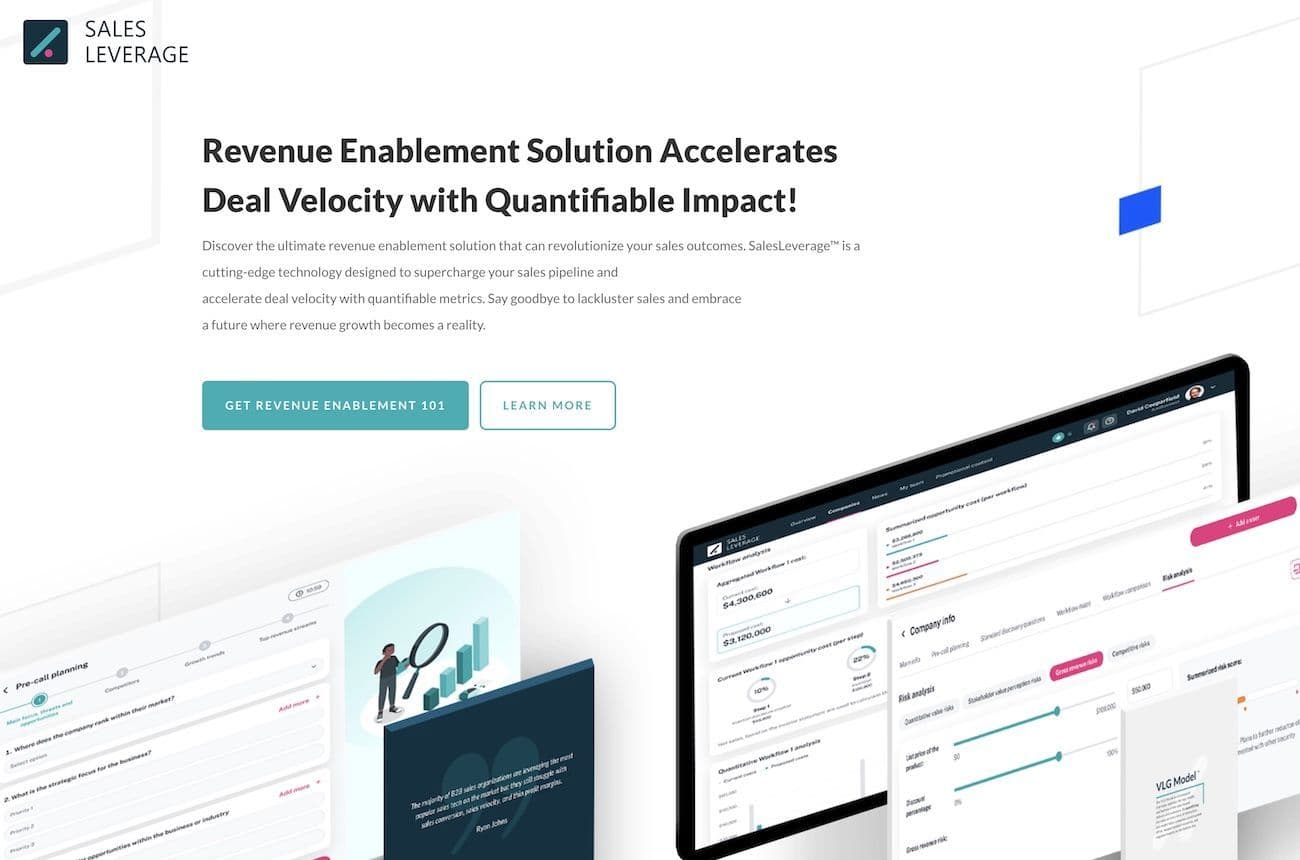
We Finished Ryan Johns's Product When He Couldn't Pay for It Yet
Midway through building Sales Leverage, the founder's personal situation made it impossible to keep funding the build on schedule. We shipped it anyway. He paid in full once he could.