Getting Your Code Back: What to Demand Before You Walk Away

The handover checklist below is the one we run on every transfer. Seven items. The order matters. Each one opens up the next.
Do not pay the final invoice until all seven are signed off.
1. Repository ownership
The code lives in a git provider. Demand that the repository is moved into your organization or your personal account, with you as the owner, not just a contributor.
Owner means you can revoke their access, manage settings, and prevent force-pushes. Contributor means they still control the repo.
Verify by opening the org settings page yourself.
2. Full commit history, not a squash
Some agencies squash the entire project into one commit before handing over. Cleaner, they say. What they actually did is erase six months of who-did-what.
Demand the original commit history. If they refuse, the answer is we are not signing off until we have it.
3. Every secret, in writing, in your password manager
Every API key, OAuth secret, webhook signing secret, database URL, third-party service login. Demand a written list, with the secret stored in your 1Password or Bitwarden, not in a Google Doc.
Then rotate every secret on the list within 48 hours of receiving them. Assume the old values are still cached on someone's laptop.
4. Cloud and service account transfer
Domain registrar, DNS provider, Vercel or Render project, Supabase or RDS database, Stripe account, S3 buckets, email-sending provider. Every account that was provisioned on your behalf must transfer to your billing.
Make this a written punchlist. Tick each one as the transfer completes. We will sort it out later is how cloud accounts get abandoned and your domain expires.
Generate your handover punchlist
Paste the technology stack of your project into ChatGPT. The prompt below produces a customized version of the seven-item handover checklist with the exact accounts, providers, and credentials to demand for your specific build.
“|”
5. A README that actually works
Clone the repo on a fresh machine and follow the README. If it does not install, run, and connect to the right environments, the handover is not complete.
The README must list every environment variable, every service the project talks to, and the deploy procedure.
6. A runbook
If production breaks at 2am, what does the on-call do? The agency must hand over a one-page runbook covering common failure modes, where logs go, and who to call at each third-party vendor.
Nobody likes writing a runbook. The agency writing one is the cleanest signal that the handover is real.
7. A scheduled goodbye
Not they will be on Slack if we need them. A specific date when the agency's access to your systems is fully revoked. Calendar it. Send the calendar invite. Show up to verify.
Until there is a scheduled goodbye, the handover does not end. We have seen temporary collaborator access live in repos for nine months after a contract closed.
Want us to run the handover?
If the previous team is dragging on items, we step in as the receiving party and chase them down. Send the contract and the punchlist. We close it out, then we ship the rebuild.
Related reading
- You're Allowed to Fire Your Dev Team: the email that triggers the handover process.
- Our 14-Day Transfer-and-Ship Playbook: what we do once your repo is in your org.
- Eight Transfer Projects, Five Patterns: what we find when handovers were rushed.
Enjoyed this article? Share it with others
Related Posts

We Don't Reject AI. We Use It Like Surgeons.
We write production code with AI agents every day, and we get hired to take over codebases that agents wrote with nobody steering. The tool is the same. Here is what we hand the agent, what never leaves a human, and the one rule behind both.

Seven Defects We Check First in Any Vibe-Coded App (proposed; old title in the notes)
AI coding tools make the same mistakes because they get asked the same questions. Here are the seven defects we look for first in a vibe-coded app, from paywalls enforced in the browser to AI features with unguarded tools, and a check for each.
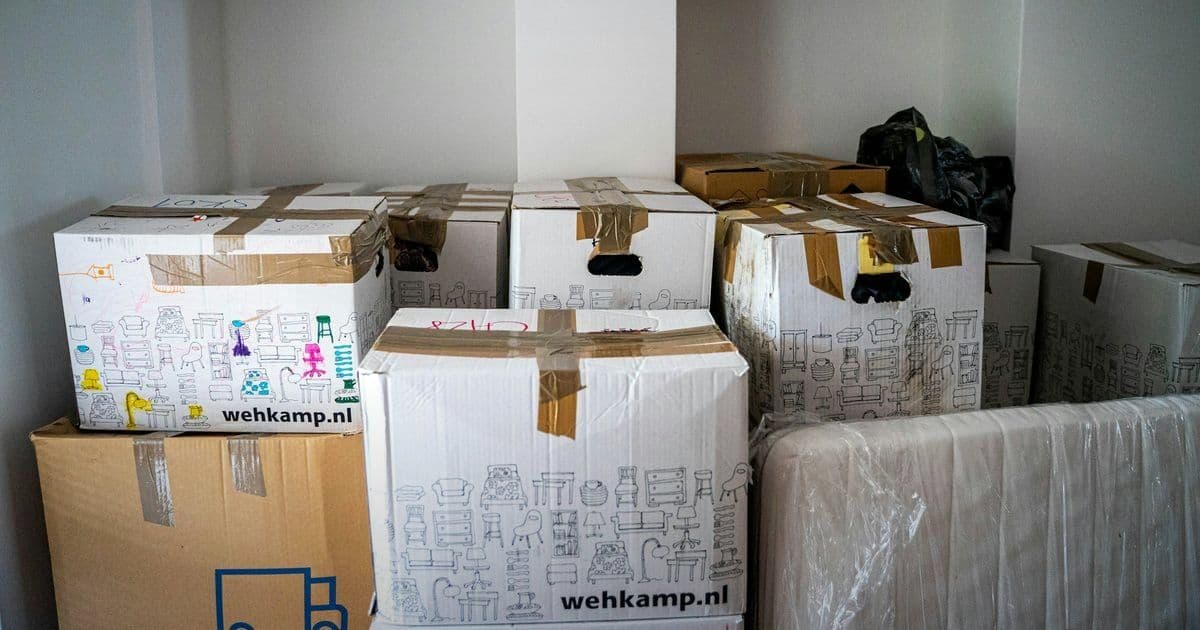
The Transfer Pattern: Five Ways an Agency Project Goes Quiet (proposed; old title in the notes)
The deadline slipped twice and the Slack went quiet. Stalled agency projects tend to stall the same way, and the signs show up months early. Here are the five patterns, a five-minute check, and what to do when three of them match.