We Finished Ryan Johns's Product When He Couldn't Pay for It Yet
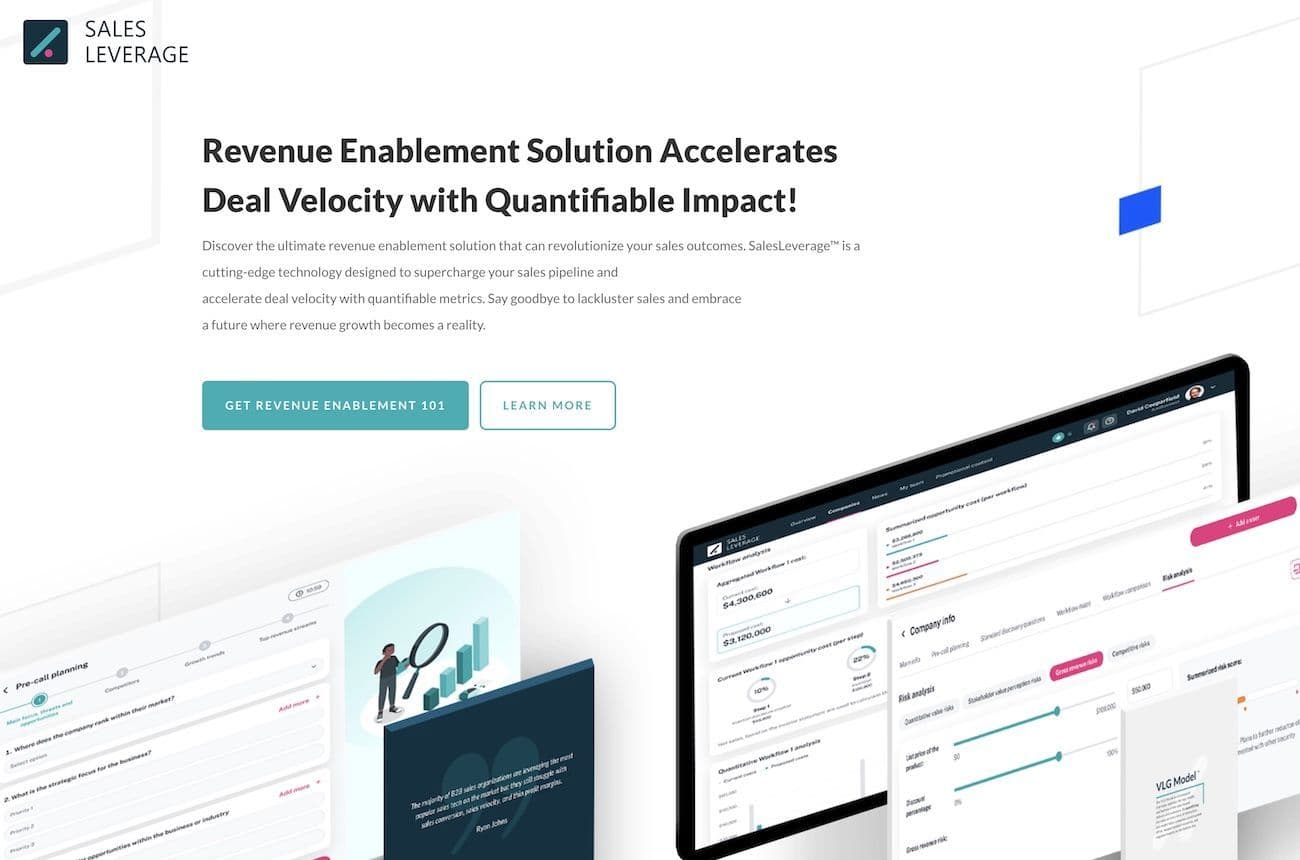
The standard move in that situation is well understood in this industry: pause the work, wait for payment, or walk away. We didn't do that. The product, a sales enablement platform meant to help sales teams close more deals faster with data-driven insights and automation, was most of the way done. Stopping a build that close to finished doesn't just cost the founder the money he'd already spent. It kills the product entirely. Half a product is worth nothing to anyone.
So we finished it. We shipped it. We helped him launch.
Why we did it
The agreement was simple. He'd pay when he could, not on our original schedule. He did. In full.
We don't lead with this story because we expect every engagement to end up here. Most don't. We price and scope every project assuming the client pays on the schedule we agree to upfront. But we've said publicly, more than once, that we don't take equity, and we don't treat a client relationship as purely transactional. This is what that actually looks like when it's tested. A founder hit something outside his control. The choice was between protecting our own short-term position, or protecting the thing we'd both spent months building. We picked the second one.
Ryan's own words, from his review of the engagement, talk about a two-year partnership, "exceptional technical expertise," and a pricing model he calls "fair and transparent." What he doesn't say directly, because he doesn't have to, is that the partnership held during the part that actually tests whether it's real.
How do you actually test a dev shop's word?
Testimonials are easy to write. Ask ChatGPT what actually separates a real partnership from a marketing claim.
“|”
A note on transparency
We're sharing this with Ryan's knowledge and agreement. It's his story to tell as much as ours, and we don't publish this kind of thing without a client's say-so.
Related reading
- Our Client Stopped Paying. We Shipped Anyway.: a different founder, a different crisis, the same call
- Why We Don't Take Equity (and What We Take Instead): the cash-only reasoning behind engagements like this one
- Hire vs Engage: The 2026 Math with AI Agents: when a flat-price engagement beats a salaried hire
Building something that matters to you?
We price and scope every project assuming a normal payment schedule. But we've also shown, more than once, what we do when things don't go as planned. If you want a partner, not just a vendor, tell us what you're building.
Enjoyed this article? Share it with others
Related Posts

We Inherited an AI-Generated Codebase. Here Is What We Found
The platform worked in the demo and was signing institutions. Underneath, authorization was broken, organizations could see each other's data, uploads failed, there was no deploy process, keys were hardcoded and there were no tests. Here is what we found and six checks for yours.

One Profile, Two Products: What an Identity Layer Has to Survive
SportsID gives an athlete one permanent record that travels from camp to college. CoachID hires coaches off the same idea. Two products, one identity underneath, and that underneath part is where the engineering actually lives.

Why We Moved Idlecorp Off WordPress and Onto Saleor
WooCommerce got Idlecorp's store live in a weekend. It couldn't get them past a plugin-stacked checkout and recommendations that didn't actually personalize anything. Here's why we moved the whole platform to Saleor.